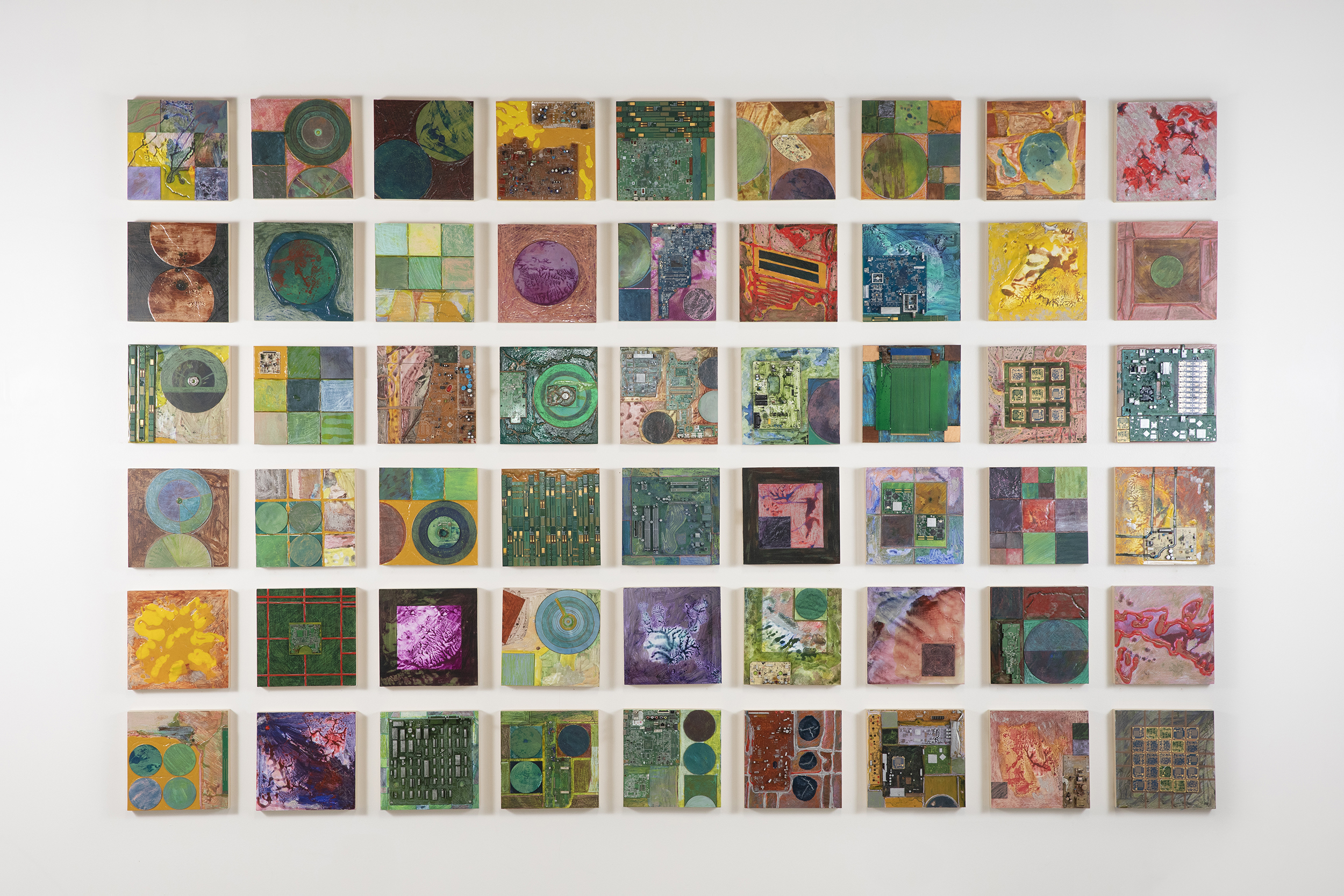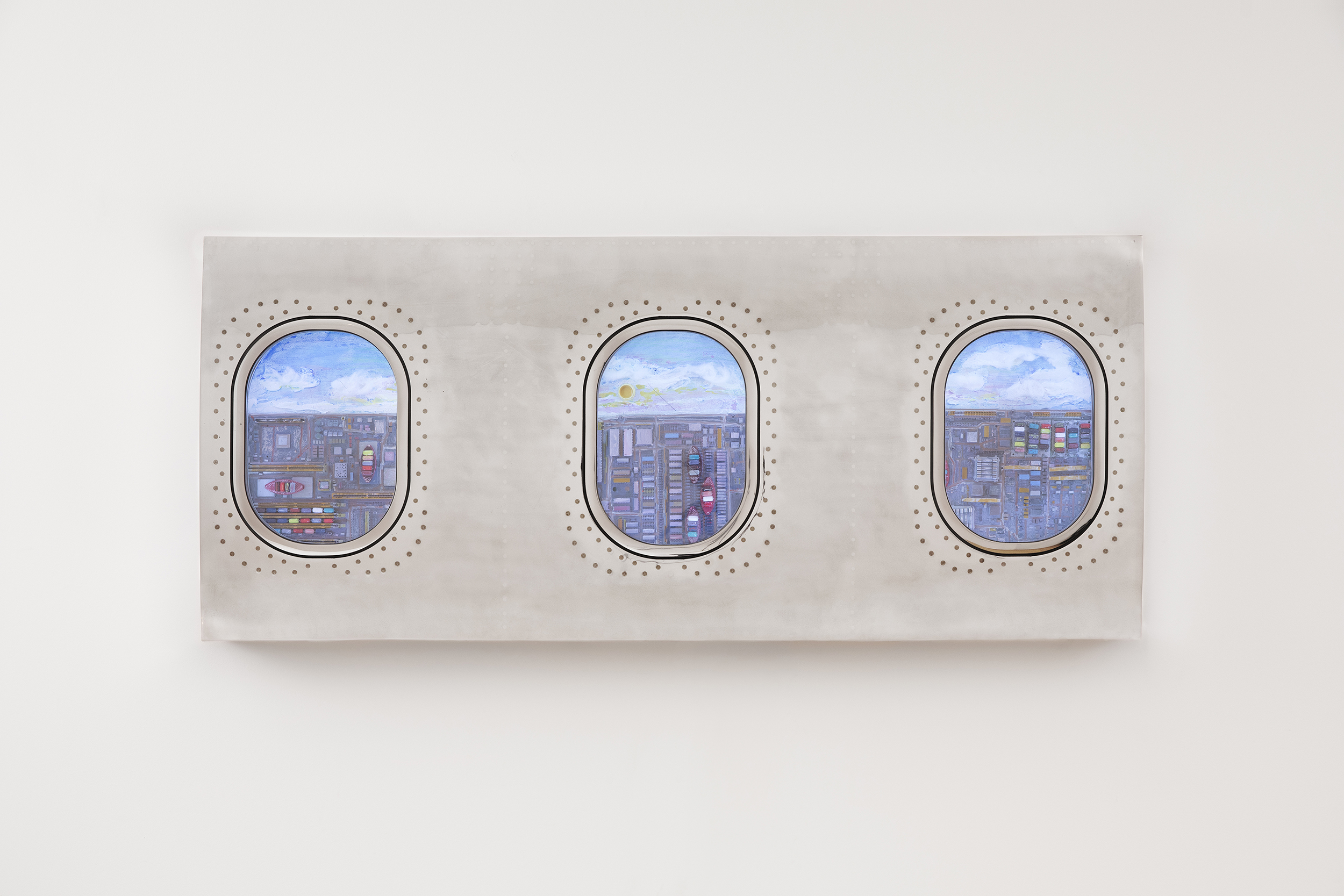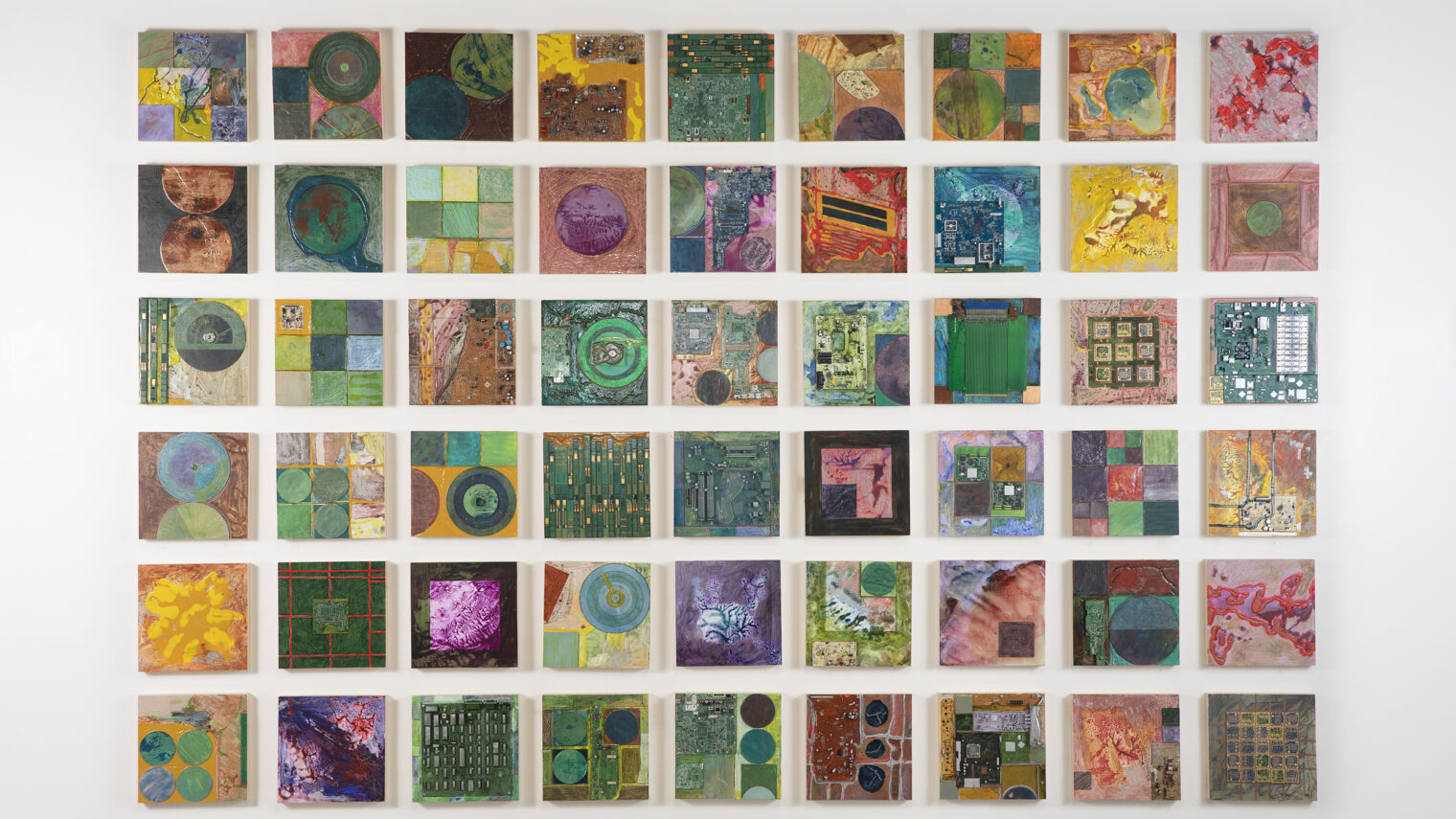
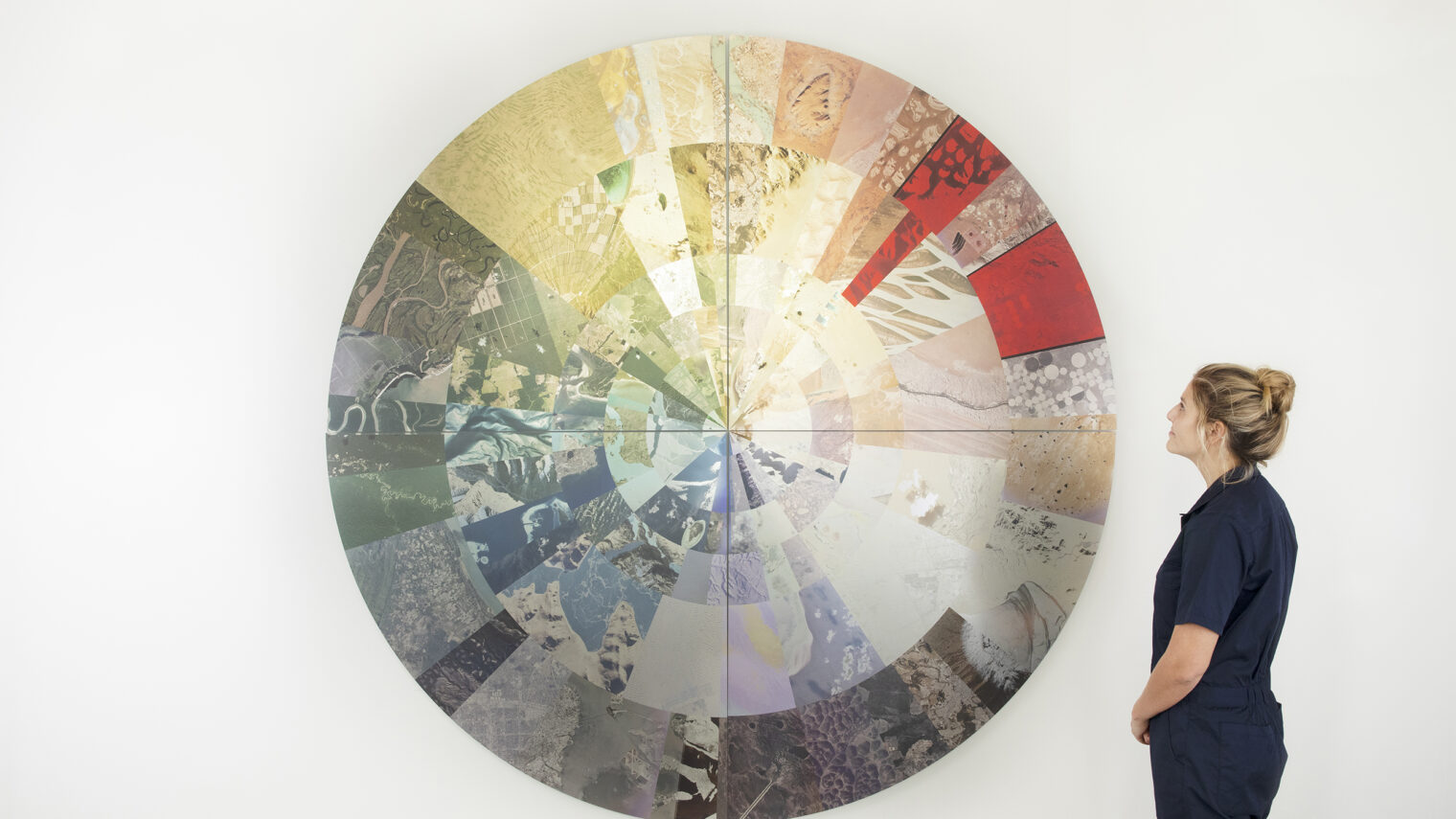
As Above, So Below is a solo showcase presented during Frieze Week, exploring the patterns that repeat across Earth and beyond — from cells to cities, circuits to satellites, atmosphere to cosmos. Drawing from the ancient idea that the microcosm mirrors the macrocosm, the exhibition looks at how systems echo one another across scale: the grid of farmland reappears in the architecture of computer chips, cellular structures resemble urban networks, and planetary images become maps of color, movement, and interdependence. Together, the works invite viewers to see Earth not as a fixed backdrop, but as a living, layered system shaped by both natural intelligence and human design.
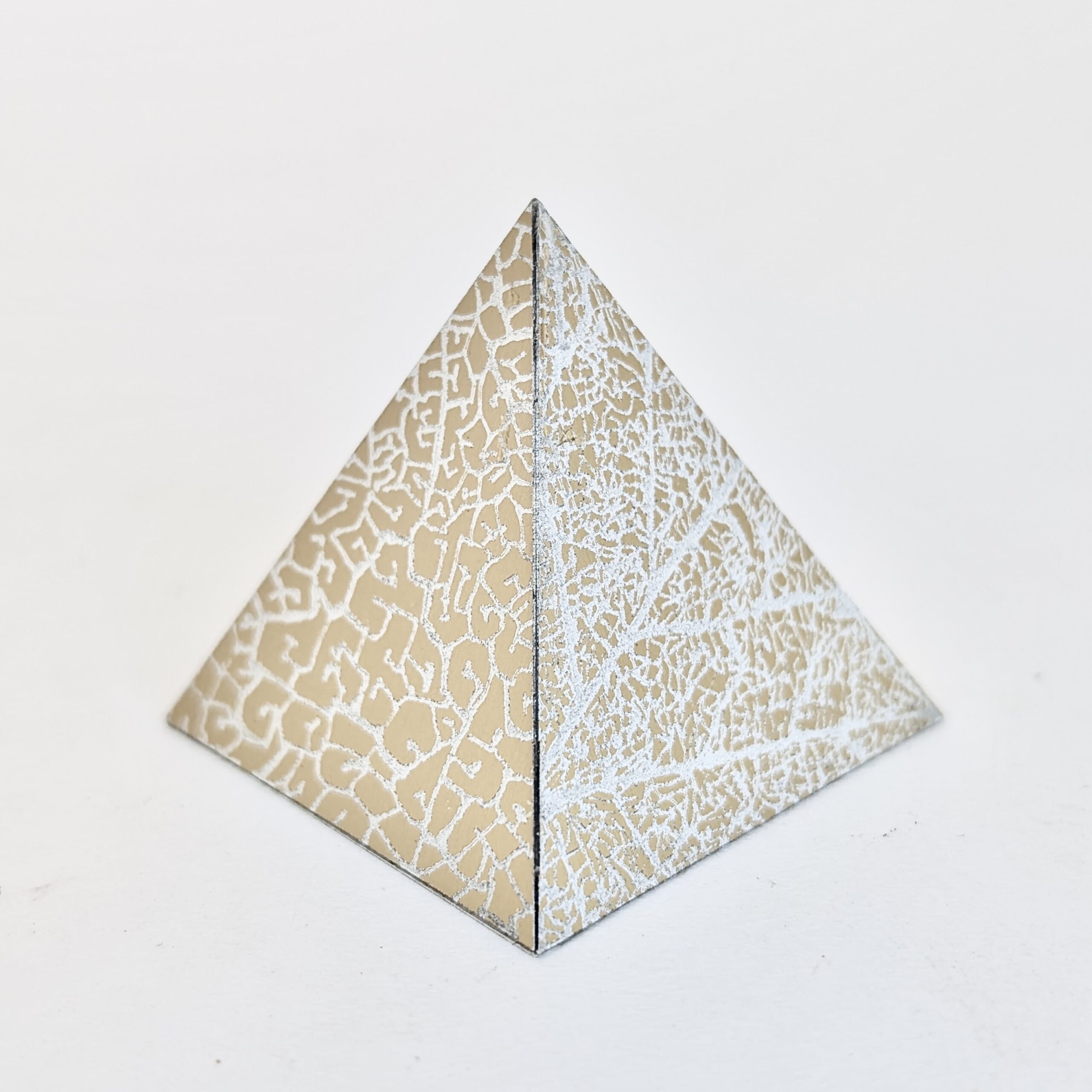
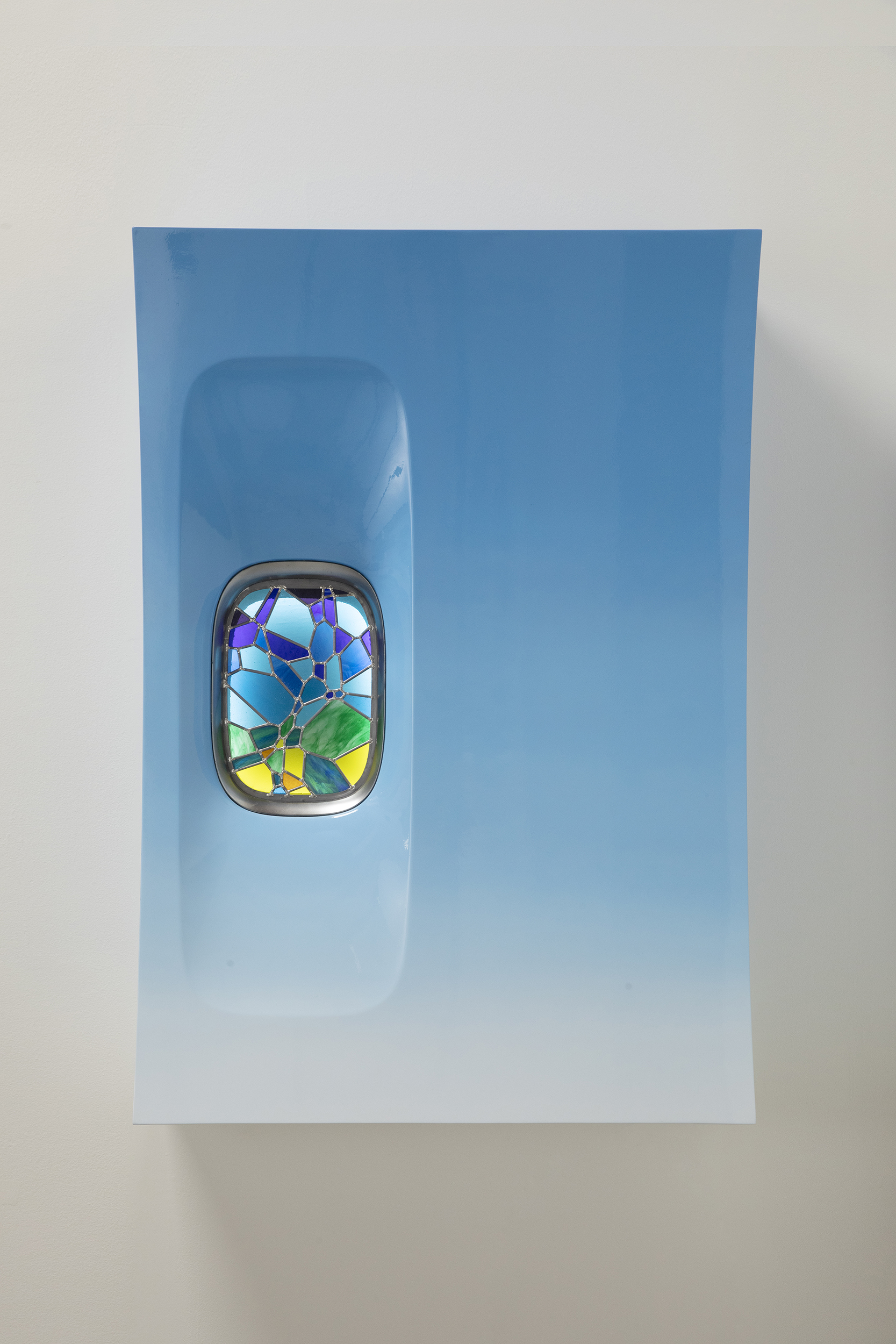
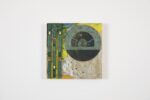
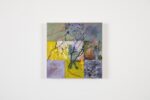
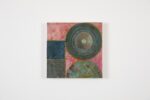
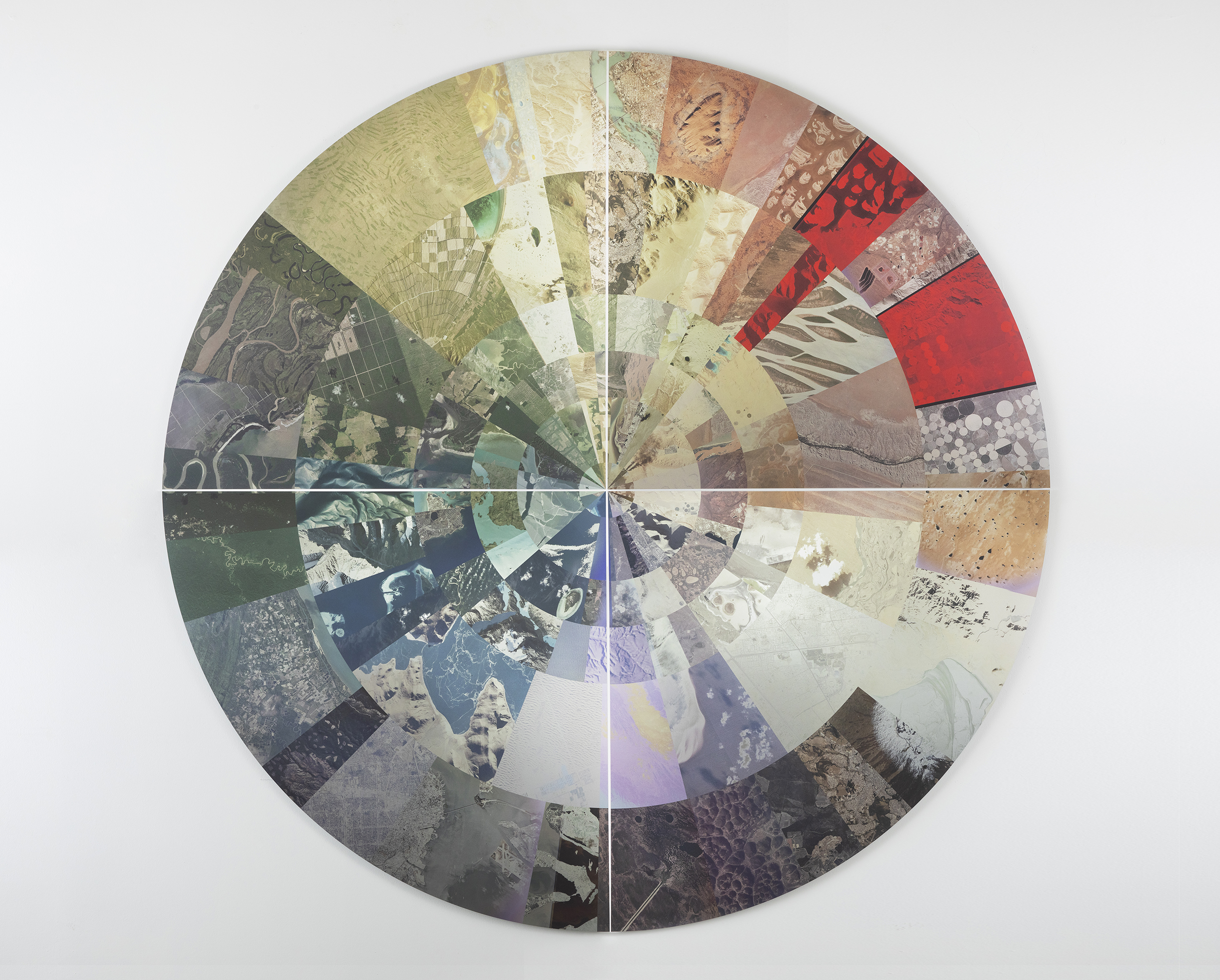
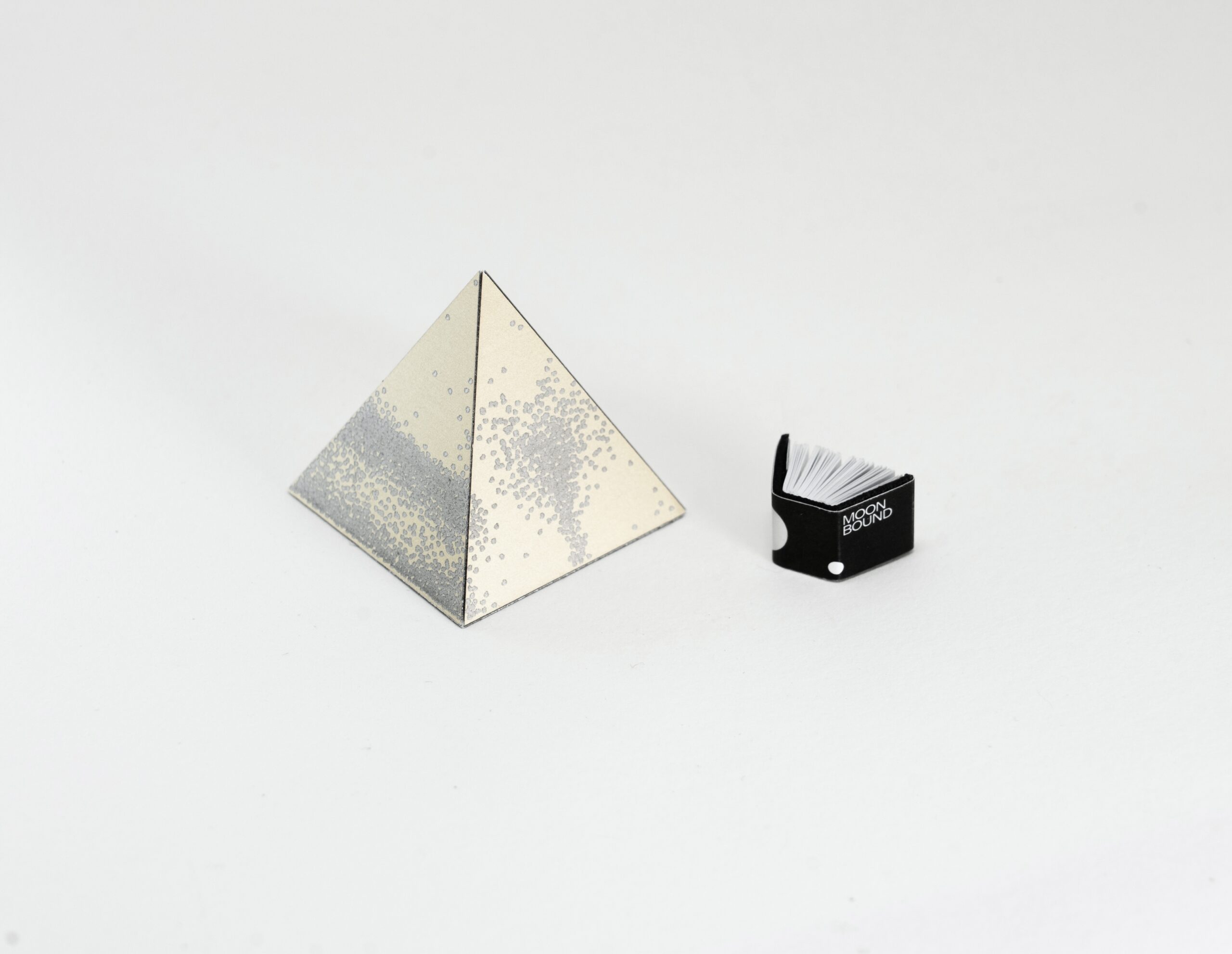
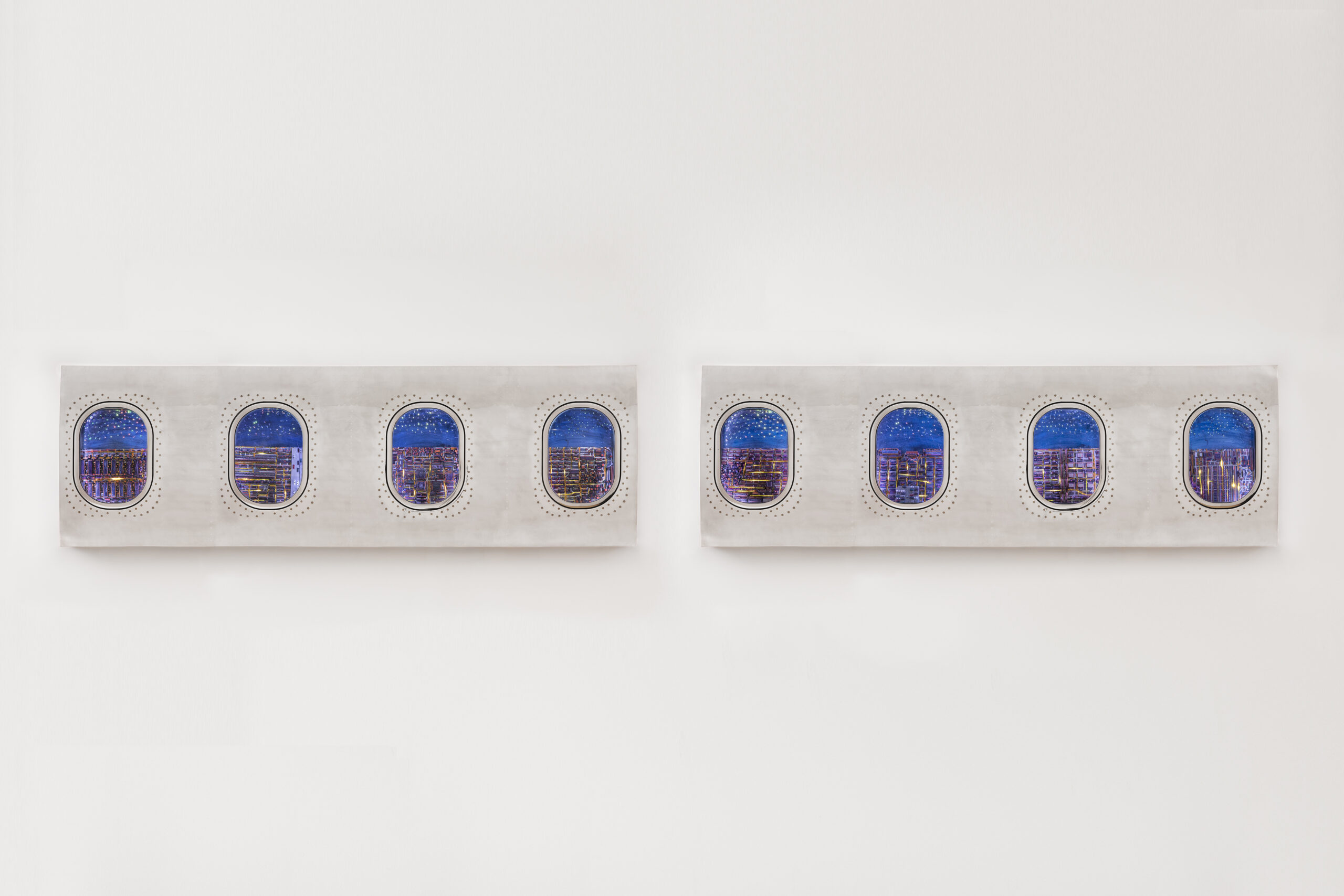
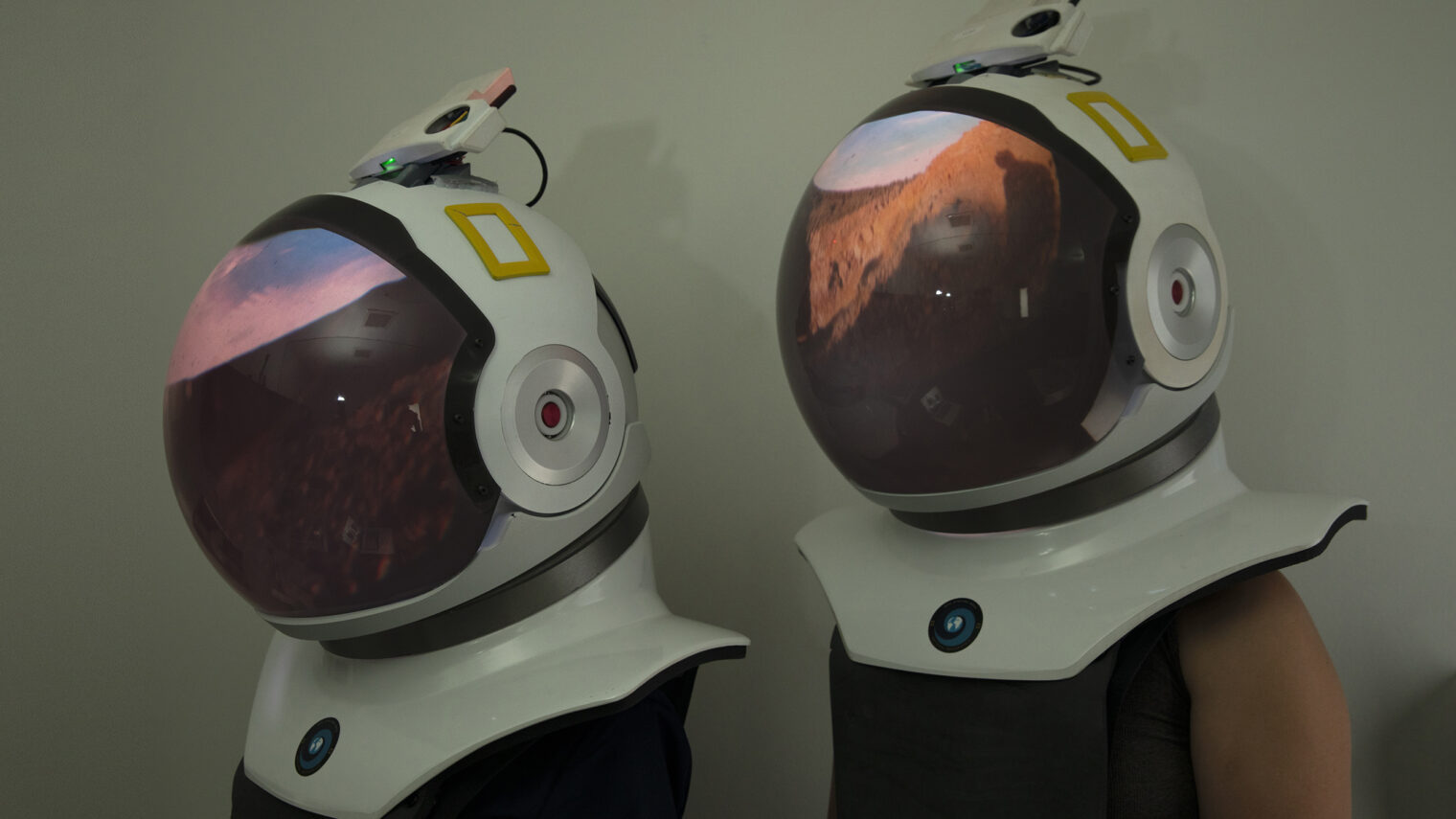
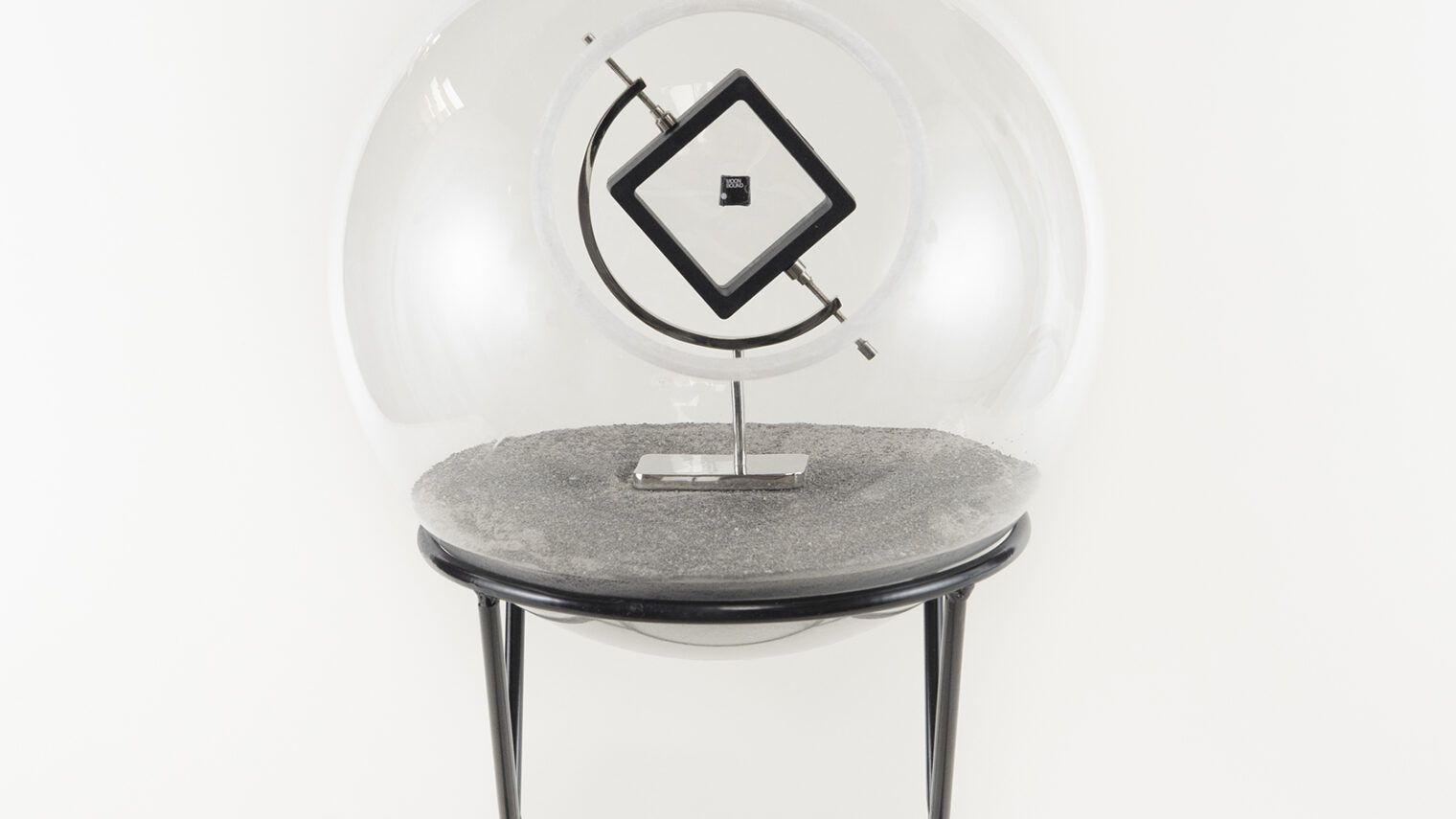
The exhibition features works including Life on the Grid, Earth Tones, Ascension, Cells, Cities, Cosmos, Earth Bound, Earth Flow, Atmospheres, Earth Light, Shifting Patterns, the Inploration Helmets, and small pedestal works connected to the Moon, asteroids, oceans, and flight. Across these works, materials and perspectives shift between the earthly and the cosmic: circuit boards merge with painted landscapes, satellite images are reorganized into a planetary color wheel, found materials form a dense cross-section of the Anthropocene, and cables, water, light, and minerals become visible expressions of the systems that sustain contemporary life. Airplane windows recur throughout the exhibition as portals — framing Earth from above and offering moments of reflection, ascent, and expanded perception.
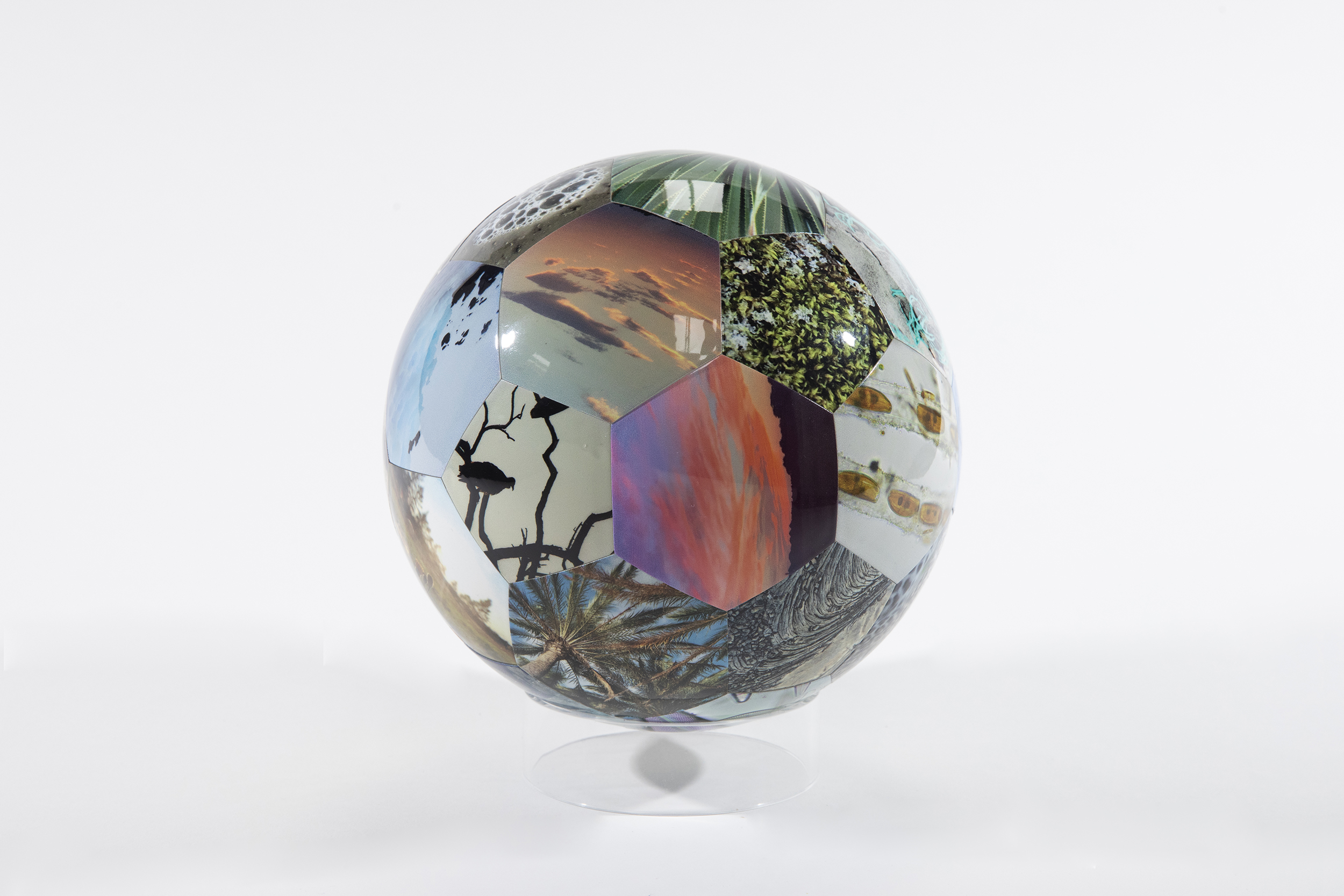
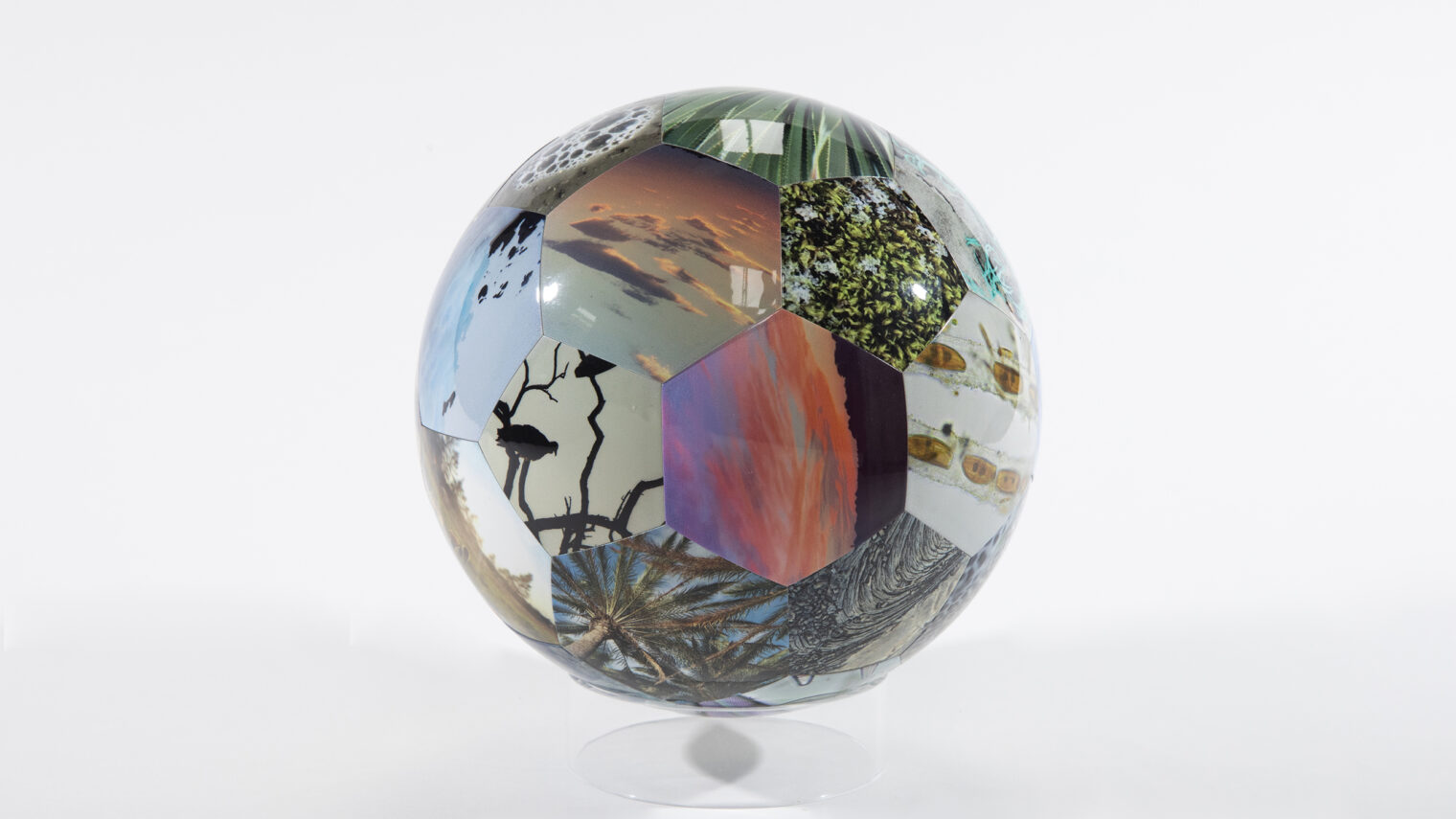
At the center of As Above, So Below is a desire to collapse the boundary between nature, technology, and culture. The exhibition moves from the ground to the sky, from interior systems to planetary views, and from physical materials to speculative objects that carry traces of the Moon, asteroids, oceans, and outer space. Through sculpture, painting, satellite imagery, illuminated portals, immersive helmets, and a small interactive puzzle sphere composed of hexagonal images, the exhibition creates a tactile and contemplative journey through interconnected worlds. It asks how new ways of seeing might lead to deeper responsibility — and how looking above, below, within, and across scale can help us better understand the fragile planet we inhabit.